 Image 1 of 5
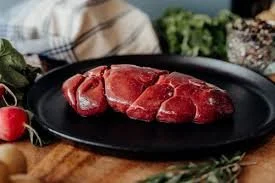 Image 2 of 5
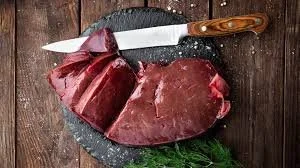 Image 3 of 5
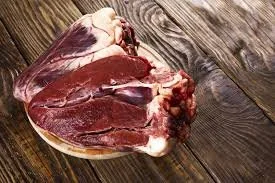 Image 4 of 5
 Image 5 of 5
Grass-Fed Beef Organs
Little Gunpowder Creek Farm offers a selection of 100% grass-fed beef organs—nutrient-dense, sustainably raised options for cooking and nose-to-tail eating. Organ meats from grass-fed cattle tend to be richer in certain vitamins, minerals, and healthy fats than conventionally raised alternatives.
Common Grass-Fed Beef Organs and What They Offer
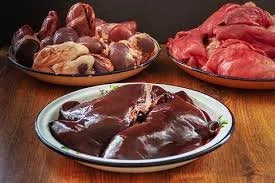
Liver: Extremely high in vitamin A, B12, folate, iron, and copper. A small portion provides a concentrated source of cofactors for energy, red blood cell production, and immune support. Flavor is rich and mineral; best when quickly seared, thinly sliced, or blended into pâtés and spreads.
Heart: A lean, muscle organ rich in CoQ10, B vitamins, iron, and zinc. Texture is firmer than liver but tender when cooked properly. Works well grilled, braised, or thinly sliced for stir-fries and tacos.
Benefits of Choosing Grass-Fed Organs
Nutrient density: Grass-fed organs are often higher in omega-3 fatty acids, conjugated linoleic acid (CLA), fat-soluble vitamins (A, D, E, K), and certain minerals due to a forage-based diet.
Sustainable and humane practices: Grass-fed systems at small family farms emphasize pasture health, rotational grazing, and lower inputs, contributing to soil health and animal welfare.
Nose-to-tail eating: Using organs supports sustainable practices by minimizing waste and honoring the whole animal.
Cooking and Handling Tips
Start small: Organ meats have concentrated flavors; begin with small portions and recipes that balance strong tastes (e.g., mixing liver into ground beef or blending into pâté).
Freshness: Organs are highly perishable—keep them chilled and use within a day or two, or freeze promptly. Thaw in the refrigerator.
Clean and prep: Rinse organs lightly and remove membranes, glands, or excess connective tissue as needed. Soaking in milk or a light brine can mellow strong flavors.
Gentle cooking: Overcooking makes many organs tough or grainy. Quick searing, braising, or slow, moist heat depending on the cut yields the best texture.
Portion and Serving Ideas
Liver pâté with toasted sourdough and pickled vegetables
Grilled heart skewers with chimichurri
Storage
Refrigerate at 32–40°F and use within 1–2 days for most organs; freeze for longer storage in airtight packaging. Label with date and use within 3–6 months for best quality.
Sourcing from Little Gunpowder Creek Farm All organs come from 100% grass-fed beef raised on pasture at Little Gunpowder Creek Farm. Our practices prioritize animal welfare, pasture health, and sustainable production so you receive flavorful, nutrient-packed products.
Grass-Fed Beef Organs
Little Gunpowder Creek Farm offers a selection of 100% grass-fed beef organs—nutrient-dense, sustainably raised options for cooking and nose-to-tail eating. Organ meats from grass-fed cattle tend to be richer in certain vitamins, minerals, and healthy fats than conventionally raised alternatives.
Common Grass-Fed Beef Organs and What They Offer
Liver: Extremely high in vitamin A, B12, folate, iron, and copper. A small portion provides a concentrated source of cofactors for energy, red blood cell production, and immune support. Flavor is rich and mineral; best when quickly seared, thinly sliced, or blended into pâtés and spreads.
Heart: A lean, muscle organ rich in CoQ10, B vitamins, iron, and zinc. Texture is firmer than liver but tender when cooked properly. Works well grilled, braised, or thinly sliced for stir-fries and tacos.
Benefits of Choosing Grass-Fed Organs
Nutrient density: Grass-fed organs are often higher in omega-3 fatty acids, conjugated linoleic acid (CLA), fat-soluble vitamins (A, D, E, K), and certain minerals due to a forage-based diet.
Sustainable and humane practices: Grass-fed systems at small family farms emphasize pasture health, rotational grazing, and lower inputs, contributing to soil health and animal welfare.
Nose-to-tail eating: Using organs supports sustainable practices by minimizing waste and honoring the whole animal.
Cooking and Handling Tips
Start small: Organ meats have concentrated flavors; begin with small portions and recipes that balance strong tastes (e.g., mixing liver into ground beef or blending into pâté).
Freshness: Organs are highly perishable—keep them chilled and use within a day or two, or freeze promptly. Thaw in the refrigerator.
Clean and prep: Rinse organs lightly and remove membranes, glands, or excess connective tissue as needed. Soaking in milk or a light brine can mellow strong flavors.
Gentle cooking: Overcooking makes many organs tough or grainy. Quick searing, braising, or slow, moist heat depending on the cut yields the best texture.
Portion and Serving Ideas
Liver pâté with toasted sourdough and pickled vegetables
Grilled heart skewers with chimichurri
Storage
Refrigerate at 32–40°F and use within 1–2 days for most organs; freeze for longer storage in airtight packaging. Label with date and use within 3–6 months for best quality.
Sourcing from Little Gunpowder Creek Farm All organs come from 100% grass-fed beef raised on pasture at Little Gunpowder Creek Farm. Our practices prioritize animal welfare, pasture health, and sustainable production so you receive flavorful, nutrient-packed products.